






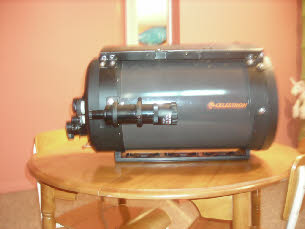

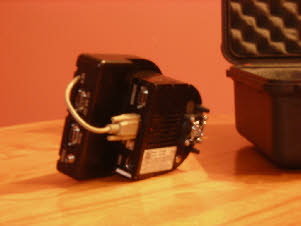
An Sbig St 7 camera, with a CFW10
filter wheel. Filters used : CS L, R
R, B, IR, Halpha, Hbeta, OIII and SII
filter wheel. Filters used : CS L, R
R, B, IR, Halpha, Hbeta, OIII and SII
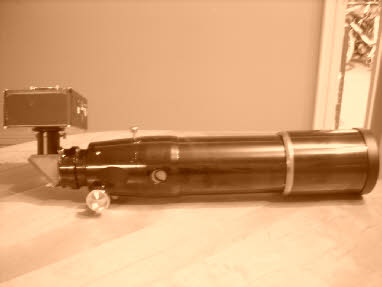
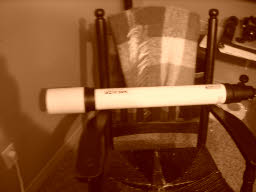
An 80 mm 500 F/L Onyx semi-
imaging and guiding. An
St402 camera shown in the
image was guiding the C11 and
FSQ.
The setup was held piggy
backed with Losmandy rings
imaging and guiding. An
St402 camera shown in the
image was guiding the C11 and
FSQ.
The setup was held piggy
backed with Losmandy rings
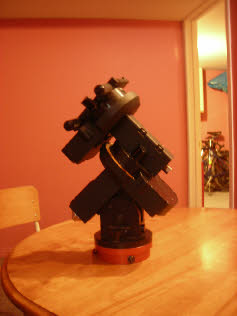
The mount used was at first a
CGE from Celestron.
It has a capacity of 65#
It proved very efficient, even
in frigid cold. However its PE was
35 sec, which I managed to drop to
12 sec using PEMPRO.
In the end, the non periodic error of
3 sec at times made sudden jumps
in the tracking curve that prevented
me to guide at focals above 1500 mm.
I could then use an AO7 unit...
But finding a proper guide star was
a problem. I eventually decided to
go for a stronger mount with a
smoother PE curve.
CGE from Celestron.
It has a capacity of 65#
It proved very efficient, even
in frigid cold. However its PE was
35 sec, which I managed to drop to
12 sec using PEMPRO.
In the end, the non periodic error of
3 sec at times made sudden jumps
in the tracking curve that prevented
me to guide at focals above 1500 mm.
I could then use an AO7 unit...
But finding a proper guide star was
a problem. I eventually decided to
go for a stronger mount with a
smoother PE curve.
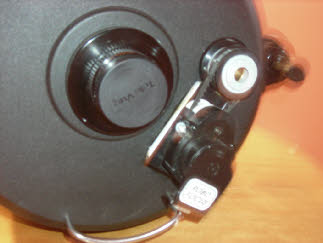
The focusing unit was a
Robofocus. It proved to be one
of the most reliable parts of my
whole etup. I never regretted
that purchase
Robofocus. It proved to be one
of the most reliable parts of my
whole etup. I never regretted
that purchase
In this first instruments section is displayed the equipment used when I first started
Ccd imaging:
Ccd imaging:
I started planetary imaging with a
Neximage camera from Celestron.
It was an inexpensive and very good
camera. However one shot color
cameras have their limit for
planetary Imagiing.
And it is only an 8 bit camera
Neximage camera from Celestron.
It was an inexpensive and very good
camera. However one shot color
cameras have their limit for
planetary Imagiing.
And it is only an 8 bit camera
AFFor some time before I had my
Onyx, I guided with an old 80 mm ED
refractor at f10 from MEADE.
It did the job. I would not
recommend this one for imaging
Onyx, I guided with an old 80 mm ED
refractor at f10 from MEADE.
It did the job. I would not
recommend this one for imaging
Second phase...............
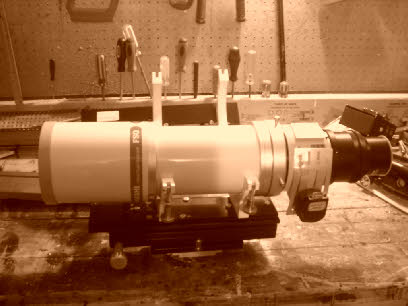
As time went by, I decided that I wanted a real apo refractor. My Onyx was o.k. But stars were never tack sharp.
So I opted for an FSQ 106 New Q refractor. It has a 4 inch wide focuser guaranteed to support 10 lbs of instruments
without any flexing. I tested it. It’s true! One can also see the other Robofocus unit attached to it.
 e
e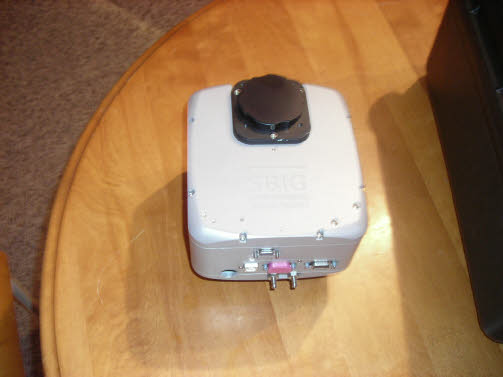
UnUn I use the FSQ 106 mostly mated to an SBIG STL11000
The build in 5 position filter wheel is very convienient.
Its large 37 mm detector is a perfect match for the FSQ 106
The build in 5 position filter wheel is very convienient.
Its large 37 mm detector is a perfect match for the FSQ 106
Like I said before, the small Neximage camera has its limits. I discovered that
RGB imaging was often better in planetary imaging than one shot color.
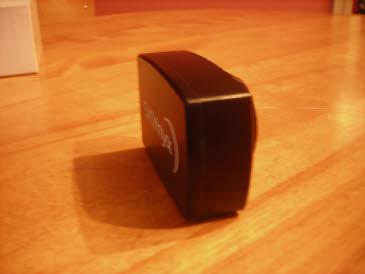
I now use the Lumenera Skynyx 2.0 (pictured below) which is a 12 bit camera.
I control it wth the Astrofactum LucamRecorder software.
RGB imaging was often better in planetary imaging than one shot color.
I now use the Lumenera Skynyx 2.0 (pictured below) which is a 12 bit camera.
I control it wth the Astrofactum LucamRecorder software.
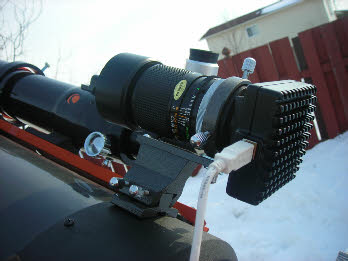
Pon One can make an electronic finder with an old 125 mm camera lens and a
DSI I camera. The DSI one is cheap, and I got the lens for $50 on E-Bay.
This e-finder has a field of vew of 3 degrees. I no longer use it but it can also make
wide field images. The strong noise of the chip inside makes it unsuitable for
multi-minute imaging, especially in the Summer.
DSI I camera. The DSI one is cheap, and I got the lens for $50 on E-
multi-
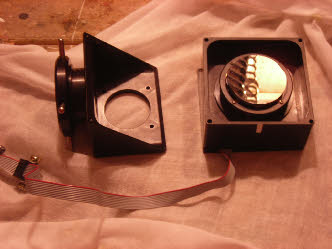
AnAn AO7 unit from SBIG proved very
helpful to get pin point sharp images of
the stars. The company eventually
Replaced it with the improved AO8
helpful to get pin point sharp images of
the stars. The company eventually
Replaced it with the improved AO8
Up until late 2008 I had to use either the FSQ or the C11
on the CGE mount both never both at the same time.
If you include the weight of the guidescope, that would have
been too much load for that mount. I then ordered a Titan,
from Losmandy
on the CGE mount both never both at the same time.
If you include the weight of the guidescope, that would have
been too much load for that mount. I then ordered a Titan,
from Losmandy
